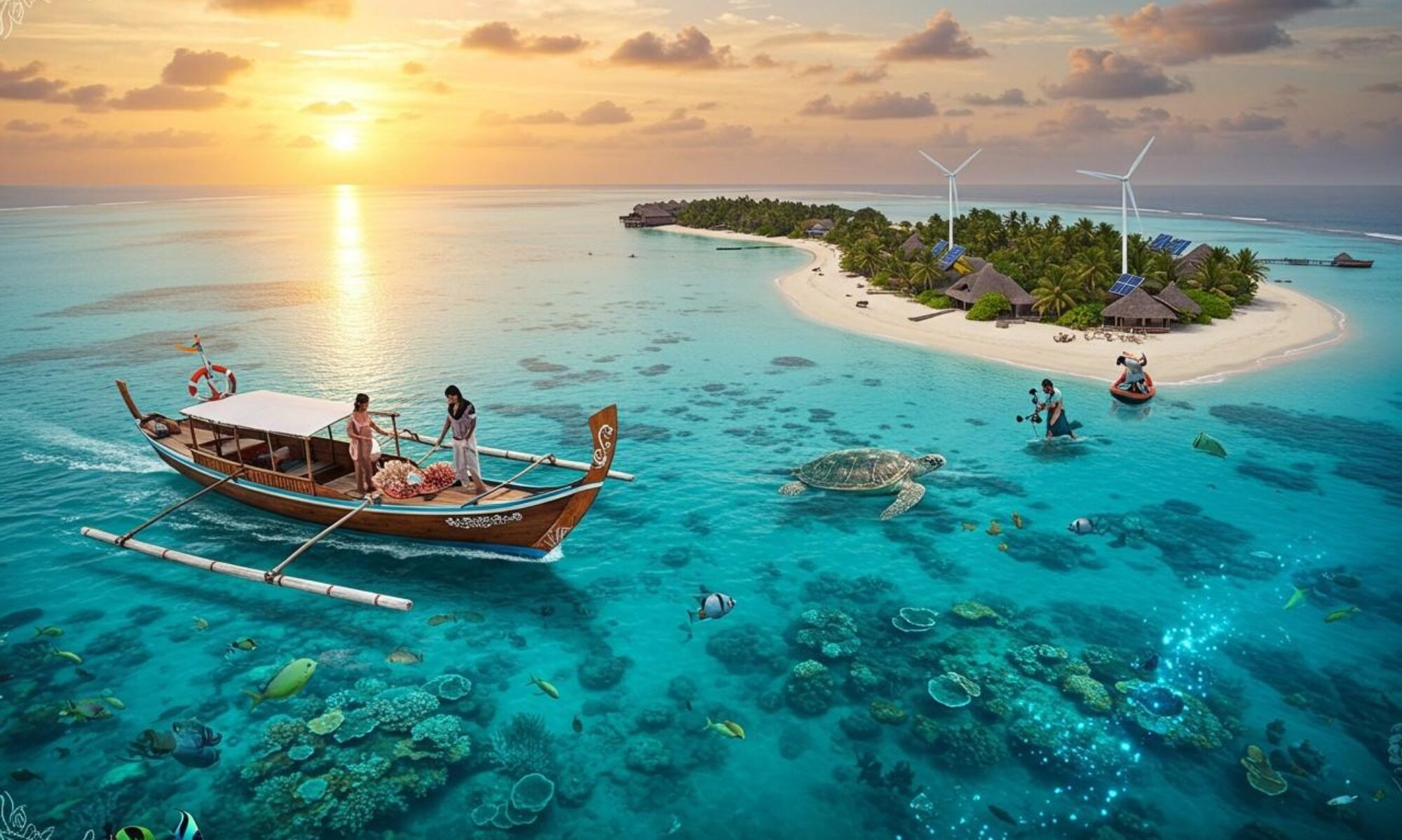
Building on the lessons from the PROMISE project, Lakshadweep now has a chance to create a stronger and more sustainable governance framework for managing marine waste. To move beyond short-term solutions, the islands need a system that blends technological innovation, community participation, and clear, supportive regulations. Such an integrated approach can address gaps revealed during PROMISE and support long-term environmental resilience.
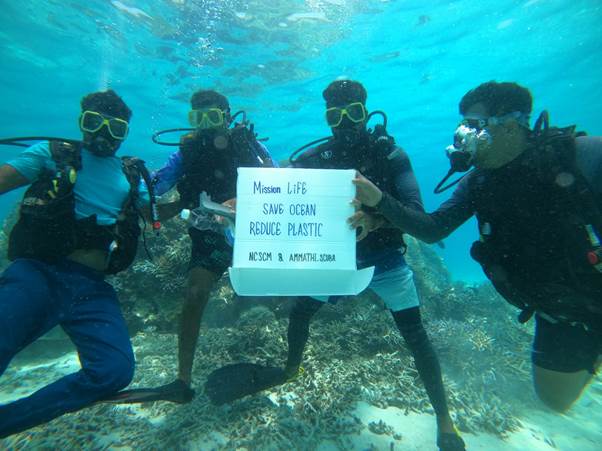
A key priority is establishing a permanent microplastic monitoring network. One major limitation during PROMISE was the lack of continuous, long-term data to track plastic pollution trends. Combining scientific tools, such as remote sensing, with citizen science can help fill this gap. Involving divers, students, local communities, and tourism operators in data collection would not only reduce monitoring costs but also build local ownership. When paired with remote sensing, this community-driven approach would allow for near real-time tracking of pollution hotspots and provide policymakers with reliable data for decision-making.
Strengthening the circular economy model is another critical step. The Lakshadweep administration can institutionalize this by introducing Extended Producer Responsibility (EPR) for tourism enterprises and their suppliers. With EPR, businesses become accountable for the waste generated by the products they use, pushing them to adopt more reusable or easily recyclable materials. Given the islands’ tourism-dependent economy, this policy could significantly reduce single-use plastics and shift long-term waste management costs away from local authorities.
Decentralized waste processing should also become a central component of Lakshadweep’s strategy. Public–private partnerships could support the establishment of small-scale waste processing units equipped with compacting and recycling technologies suited to island conditions. To finance these facilities, the administration could draw on green bonds or eco-levies applied to visitors, creating a reliable and environmentally aligned revenue stream.
Behavioural change is equally important. While PROMISE succeeded in raising awareness, large-scale behavioural shifts remain limited. Stronger educational campaigns are needed to promote refill systems, discourage single-use plastics, and encourage sustainable tourism behaviour. Importantly, these requirements should be built directly into tourism licensing, ensuring that businesses adopt environmentally responsible practices as a condition of operating.
Finally, collaboration with regional marine research centres and international partners, including EU agencies, can enhance capacity building and policy development. Such partnerships would help align Lakshadweep’s governance framework with global sustainability goals, including the UN Sustainable Development Goals (SDGs).
Overall, by combining innovative technologies, stronger regulations, community involvement, and international expertise, Lakshadweep can build a more effective and resilient marine governance system that supports both environmental health and sustainable tourism.